An intrusion does not have to take much to change a home
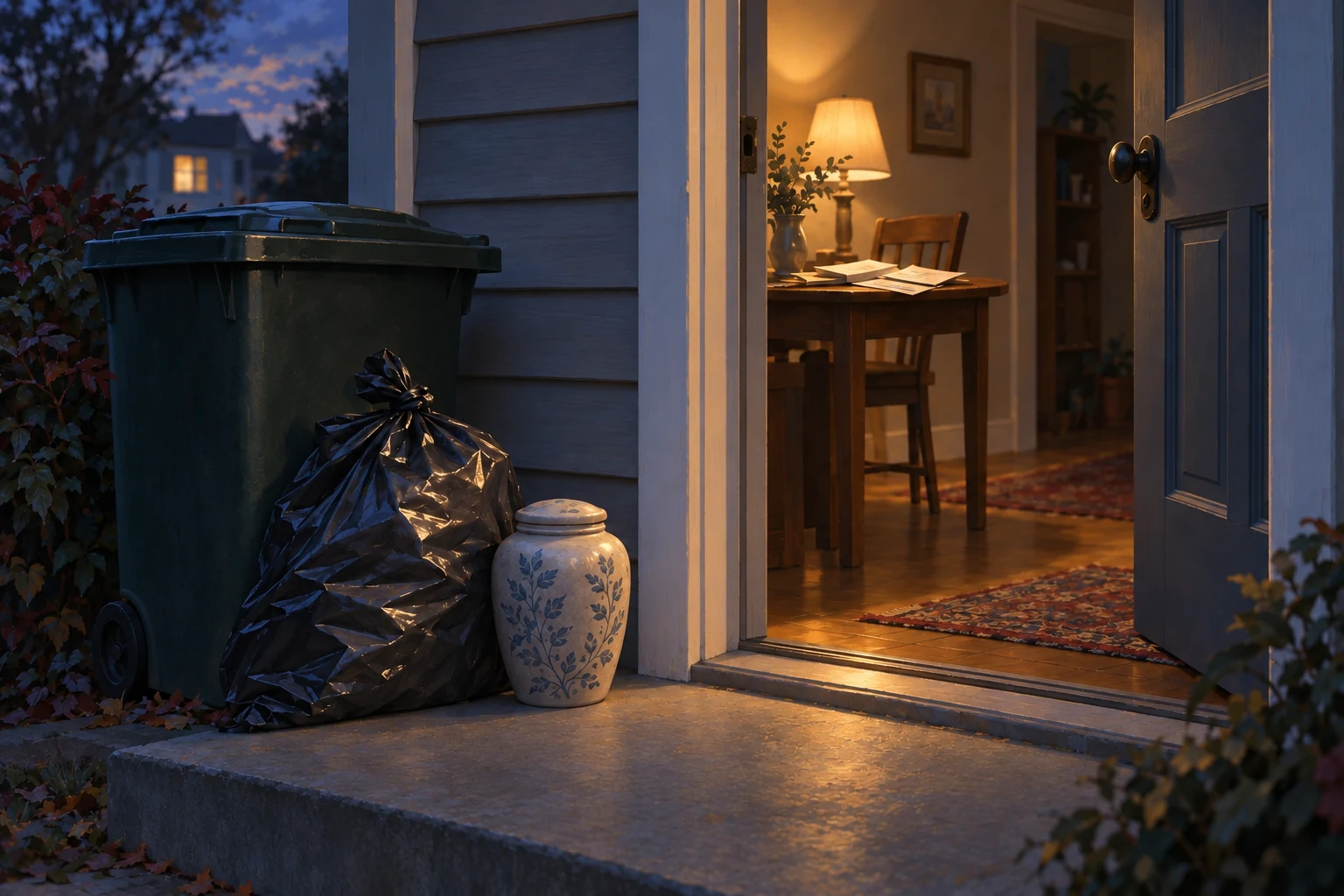
Brown says his civilian passport disappeared, family ashes were placed outside near the garbage, and his wife's documents were arranged as though someone had examined them. He describes the intrusion as happening while they were asleep. Those details land much harder than a general claim that somebody has been trying to intimidate him.
He says he called the police, but the interview doesn't establish who entered the house or why. Earlier, he alleges that corporate security can carry out deniable actions to preserve program secrecy. Those claims belong in the same conversation about pressure, but the earlier allegation doesn't identify the perpetrator of this incident. I'd keep that connection open rather than quietly turn suspicion into a solved case.
What I can't get past is how personal the reported disturbance is. You could replace a passport. It is harder to replace the feeling that your home is the place where you can stop being alert. Moving family ashes would carry a meaning that has very little to do with the resale value of anything in the room.
Brown also describes how prolonged stress affected his reactions, leaving him hypervigilant and sometimes responding to things as greater threats than they were. That makes the account more human to me. Living under pressure doesn't make someone an infallible interpreter of every event, and uncertainty about an event doesn't erase the strain they describe.
I'd want the alleged intrusion investigated on its particulars. I'd also want us to remember that asking people to come forward means asking them to continue having ordinary lives afterward. The audience gets to close the browser when the interview ends. Brown and his family still have to go home. That consequence belongs in our picture of disclosure as much as the claim that first caught our attention.
 Veya’s take
Hear it for yourselfWatch this part of Brown’s conversation with Jesse Michels.
Opens YouTube in a new tab at the start of the range.