
From: Dylan Borland Interview
Topic deep dive
Programs, Whistleblowing & the Dead-Man Switch
Borland says his Langley story led people to assume he already knew about protected work. He also says that once he began reporting what he had learned, the central problem became protecting other people without surrendering their names.
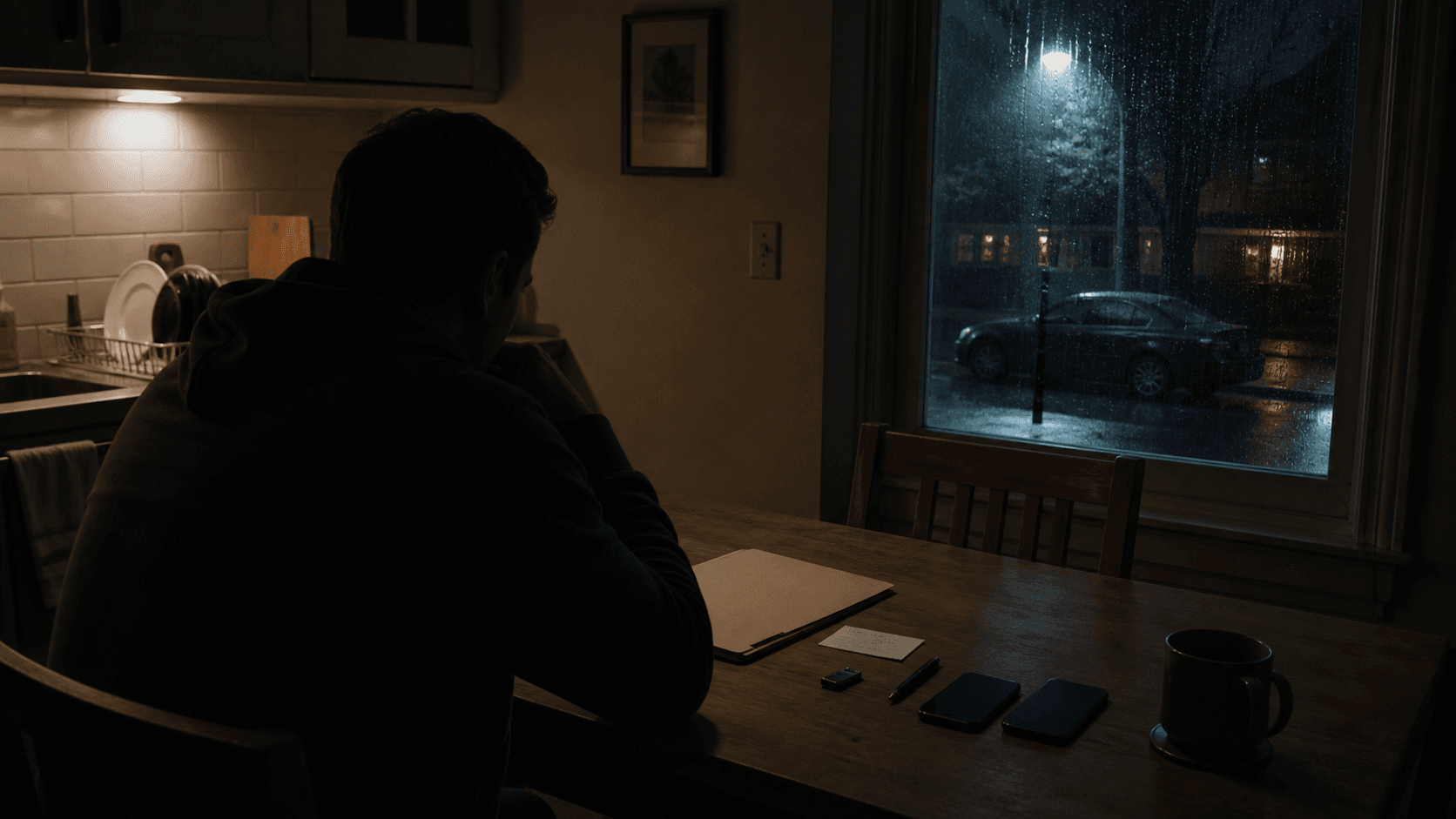
Source account
What Borland Said
He describes colleagues who believed he had prior access, shared legacy material, and later experienced career trouble. Borland says he eventually reported through Congress, AARO, and inspector-general channels. He alleges that records were mishandled, that one attributed drawing was not his, and that requests for names or a program label could expose protected people.
Around that formal path are much more personal claims: break-ins affecting people he knew, career loss, monitored communications, and a phone he says was duplicated by ODNI. He repeatedly declines to add detail because he believes doing so could identify someone.
Later, while describing support for future whistleblowers, he includes a dead-man switch among the practical precautions people may need. The interview does not provide the contingency material.
Key moments
Follow the sequence
- 01
Mistaken read-in
Borland says others assumed he was already inside a program and spoke accordingly.
- 02
Why he came forward
He frames the decision as an attempt to protect people he believed were at risk.
- 03
Names withheld
He refuses to identify sources or protected program material in the interview.
- 04
Record conflict
He alleges an AARO memorandum retained incorrect material and that a fourth drawing was wrongly attributed to him.
- 05
Alleged surveillance
He reports monitored communications and a duplicated phone while separating some break-in accounts as experiences of other people.
- 06
Dead-man switch
He treats contingency planning as part of preparing future whistleblowers for possible harassment or exposure.
UAPverse Read
What this path changes
The compelling part of this branch is not the paperwork by itself. It is Borland trying to explain why a person can believe disclosure matters while also refusing the details everyone wants. In his account, speaking protects people and endangers them at the same time. That tension is the story.
One question to sit with
How do you tell the public enough to matter when the names and details that could make the story testable are the same things you believe could put people at risk?
Explore this topic further
Open a closer path
Related